

Smart Ways to Create More Room Without Making the Space Feel Crowded
Maximizing storage in basement remodeling starts with a simple goal: use every wall, corner, and hidden spot in a way that keeps the basement easy to use. A good plan can add shelves, cabinets, bench seating, and closed storage without making the room feel tight. In many homes, the basement can hold toys, sports gear, holiday items, and extra household supplies when the layout is planned the right way from the start.
Quick Answer
The best way to get more storage from basement remodeling is to mix open and closed storage, build around fixed items like support posts and utility areas, and split the basement into clear zones. This helps the space stay neat and still work for daily life. A basement can be a family room, playroom, guest area, or home office while also giving you more places to store things out of sight.
What You Need Before Starting
Before any basement remodeling starts, it helps to know what you need to store. Make a simple list. Count bins, boxes, tools, games, coats, and cleaning items. Think about what you use often and what you only use a few times a year. This makes it easier to decide where shelves, closets, or built-ins should go.
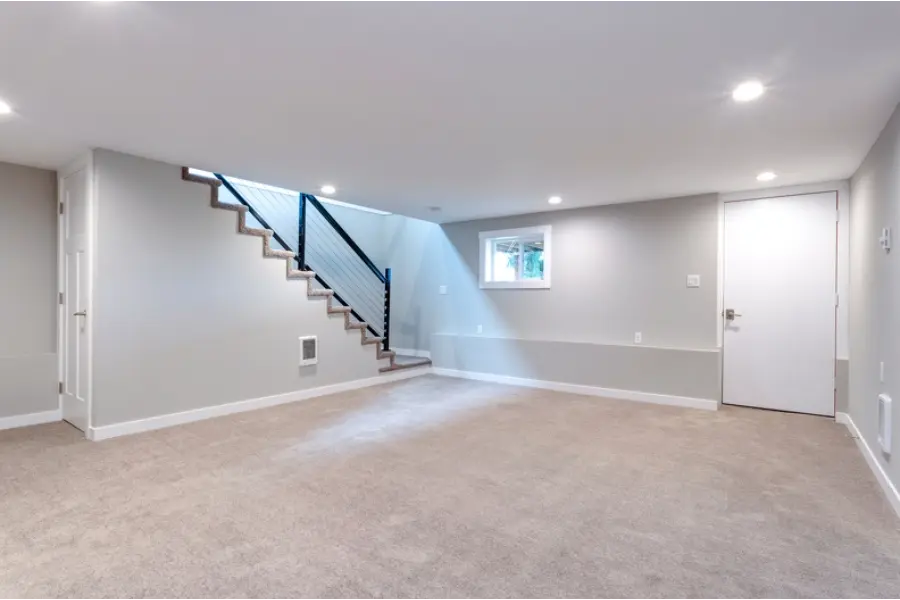
You should also look at ceiling height, windows, stairs, and any moisture concerns. A basement with low ceilings may need shallow cabinets instead of tall units. If the room has a water heater, furnace, or electrical panel, leave enough space for safe access. The service category keyword can fit here as part of the full planning process, even when the main focus is storage.
Step-by-Step Process
A clear plan keeps storage from taking over the whole basement. Start with function, then add features that match your life.
- Choose the main use of the basement first. Decide if it will be a family room, gym, office, or guest space.
- Set storage zones by item type. Keep sports gear in one area and holiday bins in another.
- Use the wall height. Add shelving, upper cabinets, or tall built-ins where the ceiling allows.
- Build around problem spots. Posts, sloped ceilings, and under-stair areas can become useful storage.
- Pick a mix of open and closed storage. Open shelves work for baskets. Closed cabinets hide clutter.
- Add seating with storage inside. Benches and window seats can hold blankets, toys, or games.
- Leave walking space clear. Storage should help the room, not block movement.
One smart idea in basement remodeling is using one full wall for built-in cabinets. This keeps the rest of the room open. Another useful choice is a storage closet with adjustable shelves. That gives you room for items of different sizes over time.
Common Mistakes to Avoid
A lot of homeowners add storage too late. When that happens, the room may end up with random shelves and plastic bins that do not match the layout. It is better to plan storage at the start of basement remodeling so it feels like part of the room, not an afterthought.
Another mistake is using only open shelves. Open storage can look messy fast, especially in a family basement. Too many deep cabinets can also waste space because items get lost in the back. A better balance is shallow shelves, labeled bins, drawers, and a few larger cabinets for bulky items.
People also forget about moisture. Cardboard boxes, fabric bins, and untreated wood near damp areas may not hold up well. Storage materials should match basement conditions. That matters even more if part of the space is near plumbing or exterior walls.
When to Call a Professional
Some storage upgrades are simple, but others need expert help. If your plan includes framing new walls, moving outlets, adding recessed lighting, or building custom storage around pipes and ducts, a professional can help the basement work better and look cleaner. This is also true if you want built-ins under stairs or around support columns.
Professional help is useful when the basement has moisture problems, uneven floors, or code issues. Storage only works well when the room itself is dry, safe, and finished the right way. In Mississauga, ON, older homes may have basements with odd layouts, lower ceilings, or utility lines in hard-to-use spots, so smart planning can make a big difference.
Final Recommendation
The best storage plan for basement remodeling is one that fits your real daily needs. Think about what belongs in the basement, how often you use it, and how you want the room to feel. Good storage should be easy to reach, simple to keep organized, and built to last. If you want a basement that feels open but still holds more of your home’s extra items, a thoughtful design is the right first step. At Goldfinger Reno Inc, we help homeowners create storage that fits the way they live. If you’re in Mississauga, ON and want help planning a better basement, call us at (289) 207-6892 to get started.