

Best Choices Depend on Moisture, Comfort, and How You Plan to Use the Space
The most popular flooring options for a basement finishing project are luxury vinyl plank, tile, engineered wood, carpet tiles, and sealed concrete. The best pick depends on water risk, room use, comfort, and budget goals. In many homes, luxury vinyl plank is a strong all-around choice because it handles moisture well and is easy to clean. Still, each floor type has good points and weak points, so it helps to compare them before you start.
Quick Decision Answer
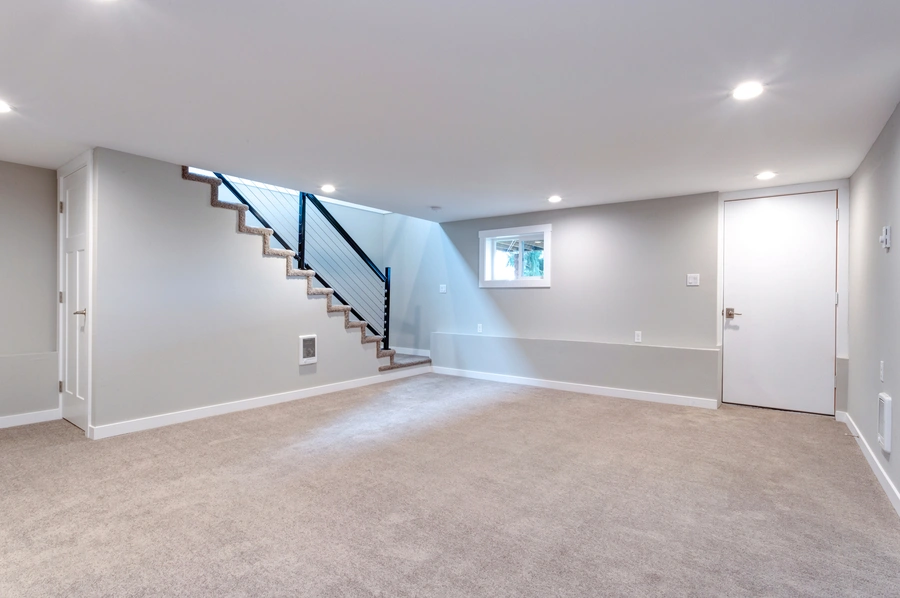
If you want a safe choice for many basements, start with luxury vinyl plank or tile. These floors hold up better in damp spaces than solid hardwood or standard laminate. If you want a warmer feel for a playroom or TV room, carpet tiles may work well. If you want a clean, modern look with low upkeep, sealed concrete can be a smart fit. During basement finishing, the right floor should match both the space and the home’s moisture level.
Option Criteria That Matter Most
When people compare basement flooring, they often focus on looks first. That makes sense, but performance matters just as much. A basement sits below grade, so floors here deal with more moisture than upstairs rooms. Before choosing a product, think about these key points: water resistance, warmth, comfort underfoot, ease of cleaning, and how hard the floor is to install or repair. Even the service category keyword should fit the full plan for the room, not just the floor alone.
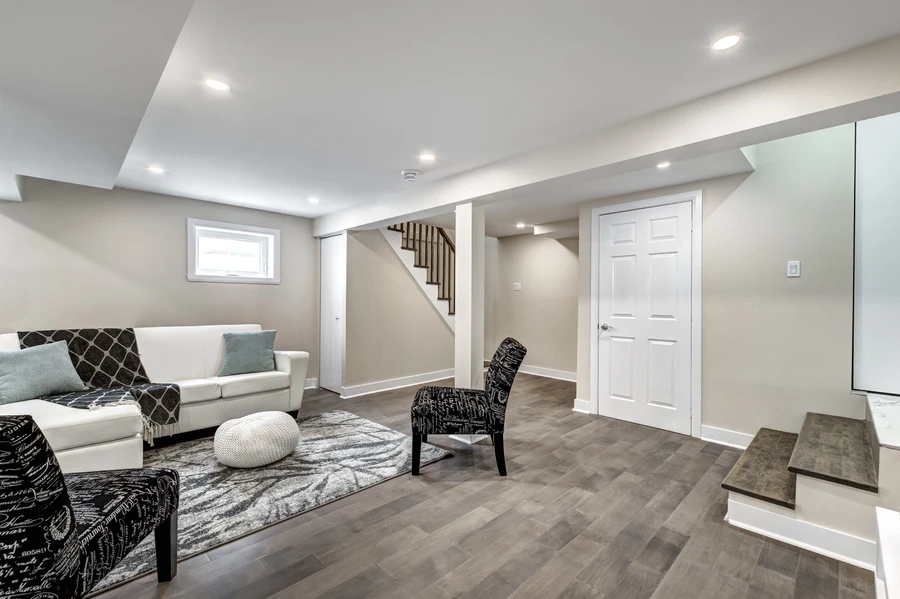
Here is a simple way to compare common flooring types during basement finishing:
- Luxury vinyl plank: water-resistant, durable, softer underfoot than tile
- Porcelain or ceramic tile: great with moisture, very durable, can feel cold
- Engineered wood: nicer wood look, better than solid wood in basements, still needs care
- Carpet tiles: softer and warmer, easier to replace one section, less ideal for wet basements
- Sealed concrete: low upkeep, modern style, hard underfoot, may need area rugs
Pros and Cons of Popular Options
Luxury vinyl plank is popular because it gives a wood-look floor without many of the moisture issues that come with real hardwood. It is easy to sweep, simple to maintain, and comes in many styles. One downside is that lower-grade products can feel thin or may show wear faster over time.
Tile is one of the toughest choices for basement finishing. It handles damp conditions very well and lasts a long time. It is a good pick for laundry areas, basement bathrooms, or entry points from outside. The drawback is comfort. Tile can feel cold and hard, which may not be ideal for a hangout room.
Engineered wood gives a warm, classic look. It is made in layers, so it is more stable than solid hardwood. Even so, it is still wood-based. If your basement has ongoing dampness, that can lead to trouble later. It is often better in basements with strong moisture control already in place.
Carpet tiles work well in family rooms, kids’ spaces, or home offices. They feel soft and help reduce noise. A nice benefit is that one damaged tile can be replaced without tearing out the whole floor. The weak point is moisture. If water gets into the room often, carpet can trap odors or stains.
Sealed concrete is often overlooked, but it can be a solid choice. It does not hide the slab, so there is less risk of trapped moisture under flooring layers. It can also look sharp with stain or coating. The trade-off is comfort. It is hard and cool, so people often add rugs or mats.
Best Fit by Room Use
The best floor for basement finishing often depends on how the space will be used. A home gym may need a different surface than a guest room. A laundry area has different needs than a movie room. Matching the flooring to the room’s job can help you avoid regrets later.
- For a playroom or family room, carpet tiles or luxury vinyl plank are often strong choices.
- For a bathroom or laundry space, tile usually makes the most sense.
- For a home office, engineered wood or luxury vinyl plank can look polished and feel comfortable.
- For a gym or hobby room, sealed concrete with added mats may work best.
- For a guest room, carpet tiles or vinyl can create a warmer feel.
Mistakes People Make When Choosing
One common mistake is picking a floor based only on style. A floor may look great in a showroom but perform poorly in a basement. Another mistake is skipping moisture checks before installation. If the slab holds moisture, even a nice new floor can fail. Some people also choose solid hardwood because they want an upscale look, but that often brings risk below grade.
Another issue is forgetting about the subfloor and underlayment. These layers can change how warm, quiet, and stable the finished floor feels. During basement finishing, small details like these can have a big effect on comfort and long-term results.
Final Decision Checklist
Before making a final choice, ask these questions:
- Does the basement have any past water issues?
- Will the room be used every day or only now and then?
- Do you want a warm and soft floor or a harder easy-clean surface?
- Will pets or kids use the space often?
- How easy will repairs be if one area gets damaged?
- Does the floor fit the rest of the basement finishing plan?
If you can answer those questions clearly, your flooring choice gets much easier. In most cases, people want a floor that looks good, handles moisture, and stays simple to maintain. That is why vinyl and tile stay near the top of the list.
Get Help Choosing the Right Floor
If you are planning basement finishing in Mississauga, ON, we can help you sort through flooring options that fit your space and goals. Contact Goldfinger Reno Inc to talk through your ideas and ask questions about layout, moisture concerns, and materials. You can also call us at (289) 207-6892 to get started with your next project.